

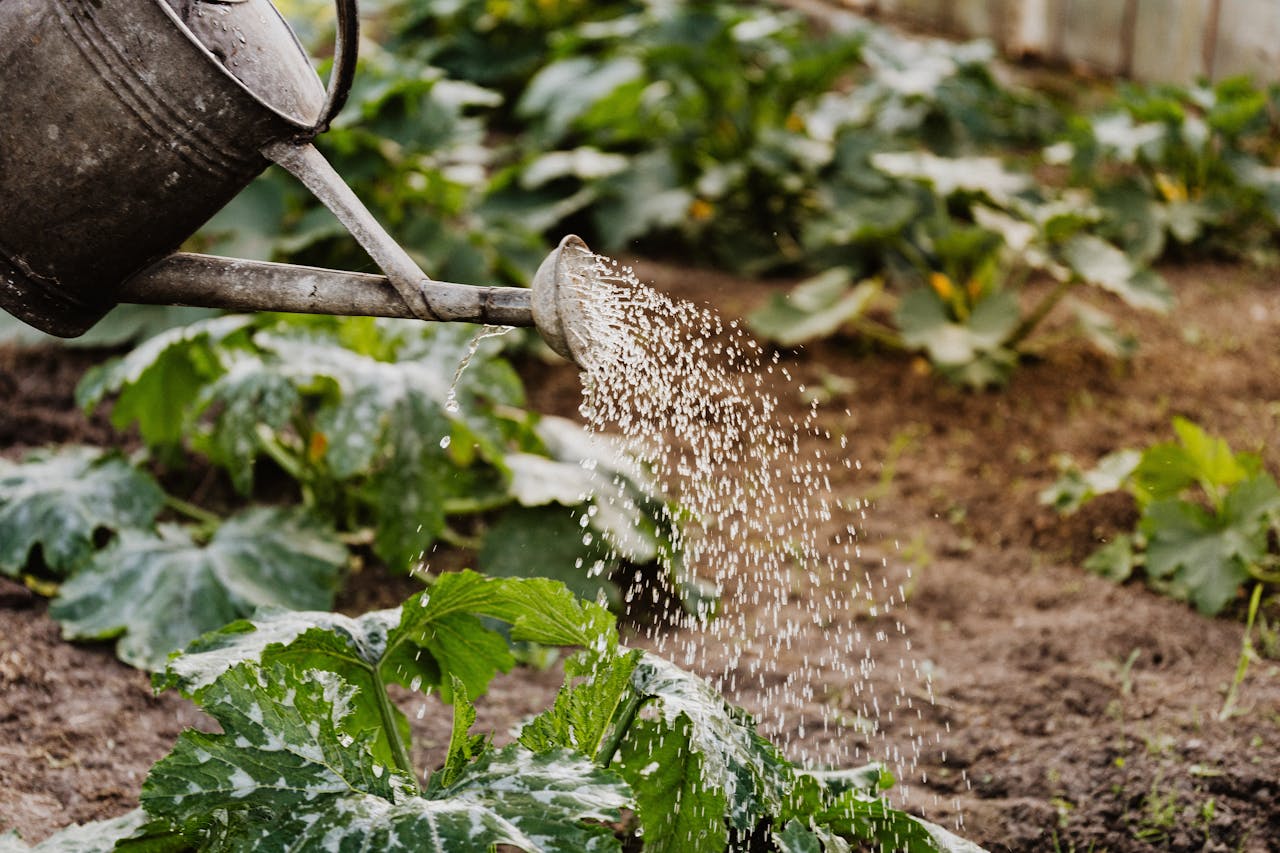
7 Watering Patterns That Help Plants Settle In Faster
Plants don’t fail early because they lack care. They struggle because the care arrives in ways that prevent roots from doing their real work. Watering patterns in the first weeks quietly decide whether plants adapt, stall, or become dependent. When water encourages depth, rhythm, and recovery time, plants settle with less stress and fewer corrections later. These patterns are not about watering more or less. They are about watering in ways that help roots learn where stability lives, so growth feels steady instead of fragile.
Deep Watering With Clear Drying Time
Deep watering trains roots to grow downward where moisture lasts longer. When water reaches several inches below the surface, plants stop hovering near the topsoil and begin anchoring themselves properly.
Allowing soil to dry slightly between sessions matters just as much. Oxygen returns to the root zone, strengthening function and resilience. This pattern builds independence early, reducing the need for constant monitoring and emergency watering later.
Early Morning Watering
Watering early in the morning aligns with how plants naturally absorb moisture. Cooler temperatures reduce evaporation, allowing water to move slowly into the soil instead of disappearing into heat.
Leaves dry naturally as the day warms, preventing lingering moisture around stems. Roots receive what they need before stress sets in. This timing supports smoother adjustment and helps plants handle daytime conditions with less shock.
Watering the Root Zone, Not the Surface
Surface watering looks helpful but often misses the roots entirely. Moist soil on top gives false confidence while deeper layers remain dry.
Targeting the root zone ensures water reaches active growth areas. Plants respond by expanding roots instead of relying on shallow moisture. This pattern reduces stress signals like wilting and slows the cycle of constant correction many gardeners fall into early on.
Gradually Reducing Frequency After Establishment
New plants need consistent moisture at first. Once growth stabilizes, continuing the same frequency holds roots near the surface.
Gradually spacing out watering sessions encourages roots to explore deeper soil. The transition should be slow and intentional. Plants adapt without shock, gaining resilience instead of dependency. This shift marks the moment a plant truly settles into its place.
Matching Watering to Soil Type
Sandy soil drains quickly and needs slower, deeper soaking. Clay holds moisture longer and needs time between watering. Ignoring soil type leads to wasted effort and uneven growth.
Adjusting watering style instead of volume improves results immediately. Roots respond to consistency that fits their environment. This awareness prevents stress that looks like plant failure but is often just mismatched timing.
Watering Fewer Plants More Thoroughly
Trying to water everything lightly spreads effort thin. Some plants receive enough, others do not, and none establish strongly.
Focusing on fewer plants per session ensures deep, effective watering. Roots respond quickly to consistency. This pattern reduces overall effort while improving stability, helping plants settle faster instead of lingering in survival mode.
Pausing to Observe Before Adding More Water
Not every drooping leaf signals thirst. Pausing to check soil depth prevents unnecessary watering that weakens roots.
Observation builds confidence and accuracy. Plants adjust naturally when given time. This restraint allows roots to strengthen and recover, turning early care into long-term stability rather than constant intervention.
Plants settle faster when watering teaches them how to survive, not how to depend. The right patterns reduce stress, effort, and doubt at the same time. When roots learn early where strength lives, the rest of the garden follows naturally.