

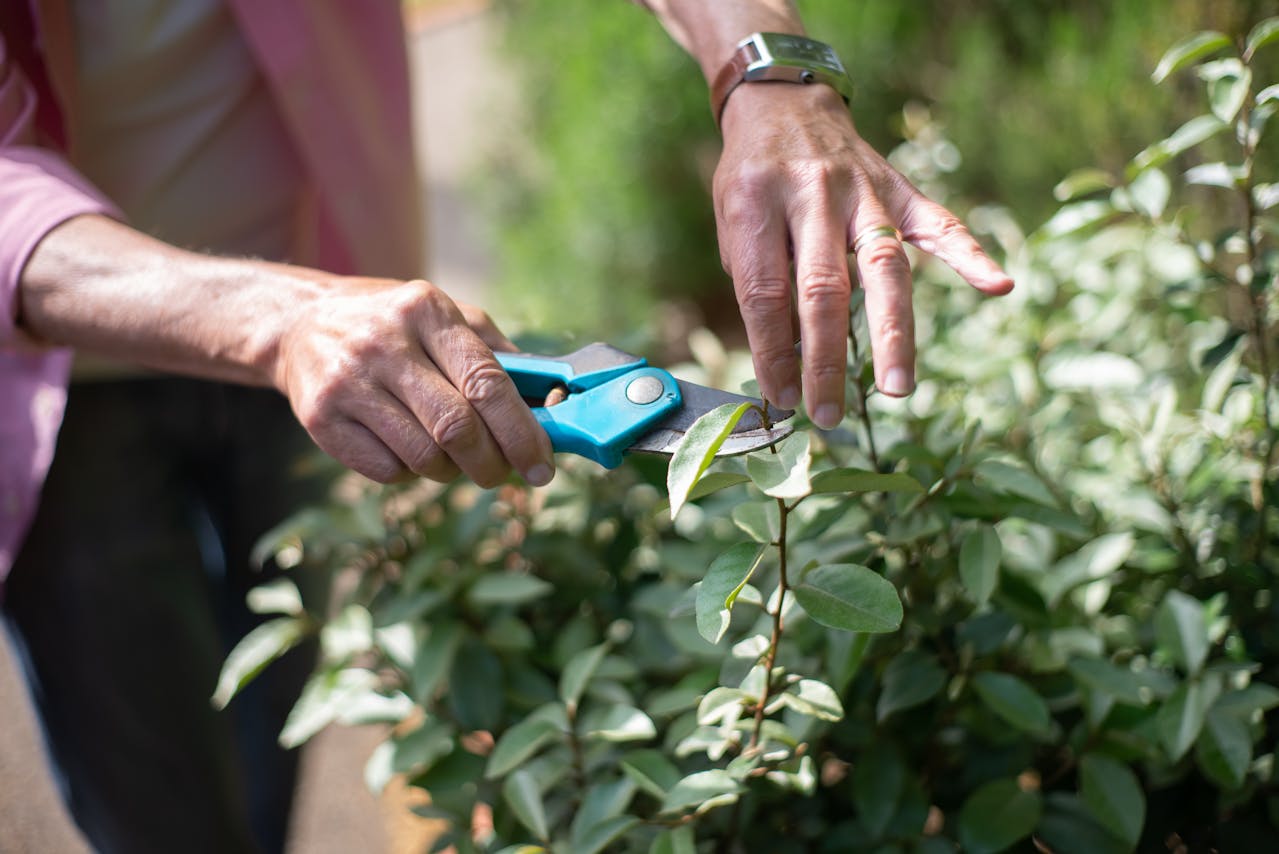
8 Pruning Moments That Encourage Bushier, Healthier Growth
Pruning is often treated as a cleanup task, something done to make plants behave or look orderly. In reality, it is a timing tool that influences how plants distribute energy, where they branch, and how resilient they become over time. When cuts align with growth cycles, plants respond by thickening, filling out, and stabilizing themselves naturally. When cuts are rushed or habitual, growth weakens and becomes dependent on constant correction. These pruning moments focus on timing that supports strength and density, helping plants grow fuller with less long-term effort.
After New Growth Has Clearly Established
Pruning works best once a plant has shown it is actively growing. New leaves should look stable, stems should feel flexible but not fragile, and growth should be consistent. Cutting at this point signals the plant to redirect energy outward rather than continuing straight upward.
Pruning earlier interrupts establishment. Waiting too long allows legginess to develop. This moment encourages branching while preserving momentum, creating fuller structure without slowing overall growth.
When Stems Grow Past Their Ideal Height
Allowing stems to exceed their target height slightly before pruning gives plants time to store energy. Cutting back at this stage redirects that energy into side shoots rather than vertical stretch.
This timing strengthens branching and produces thicker stems. Pruning too early limits response, while pruning too late locks in weak structure. This window helps plants grow dense instead of tall and unstable.
Right After the First Flowering Cycle
Many flowering plants benefit from pruning immediately after their first major bloom finishes. Removing spent flowers and part of the stem encourages the plant to shift energy back into growth.
This often leads to a second flush and denser foliage. Waiting until blooms naturally fade ensures the plant completes its initial effort before being asked to regroup and grow again.
When One Side Dominates the Shape
Plants often grow unevenly, favoring one direction or shoot. Pruning back the dominant side slightly allows slower sections to catch up.
This restores balance, improves airflow, and prevents permanent lopsided growth. Addressing imbalance early avoids heavier corrective cuts later that slow recovery and reduce vigor.
As Active Growth Begins
Pruning just as plants enter their main growth phase produces the strongest response. Energy is already moving through the plant, so cuts heal quickly and branching follows naturally.
Pruning outside this window often results in delayed or muted response. This timing supports fast recovery and helps plants form compact, resilient structure early in the season.
When Interior Growth Starts Crowding
Bushy growth does not mean dense congestion. When stems cross or crowd the center, selective thinning improves light access and airflow.
Removing a few interior stems encourages outward branching instead of tangled growth. This keeps plants full but functional, reducing stress without sacrificing overall density.
After Environmental Stress Has Passed
Pruning during heat stress, transplant recovery, or drought often slows healing. Waiting until conditions stabilize allows plants to respond productively.
Once stress passes, pruning helps redirect energy into organized, stronger growth. This patience prevents setbacks that appear mysterious but are often caused by poor timing.
Before New Growth Fully Hardens
Soft, flexible growth responds better to pruning than woody stems. Cutting before hardening encourages clean branching and faster response.
Once growth toughens, branching slows and structure becomes fixed. Catching this window produces fuller plants with fewer corrective cuts later.
Pruning is less about control and more about cooperation. When cuts match plant timing, growth becomes easier to manage and more resilient. Bushy, healthy plants usually reflect fewer cuts made at better moments, not more work overall.