
8 Small-Space Tricks That Make Containers Feel Like a Garden, Not a Row of Pots
Container gardens often start with good intentions and end up looking like a lineup. Pots sit side by side, each plant isolated, the whole space feeling more like storage than a garden. The shift happens when containers stop acting as individual objects and start working together as a system. Scale, layering, repetition, and placement matter more than plant count. These small-space strategies focus on how the eye moves, how plants overlap, and how space is defined, turning scattered containers into something that feels rooted and cohesive.
Group Pots in Uneven Clusters
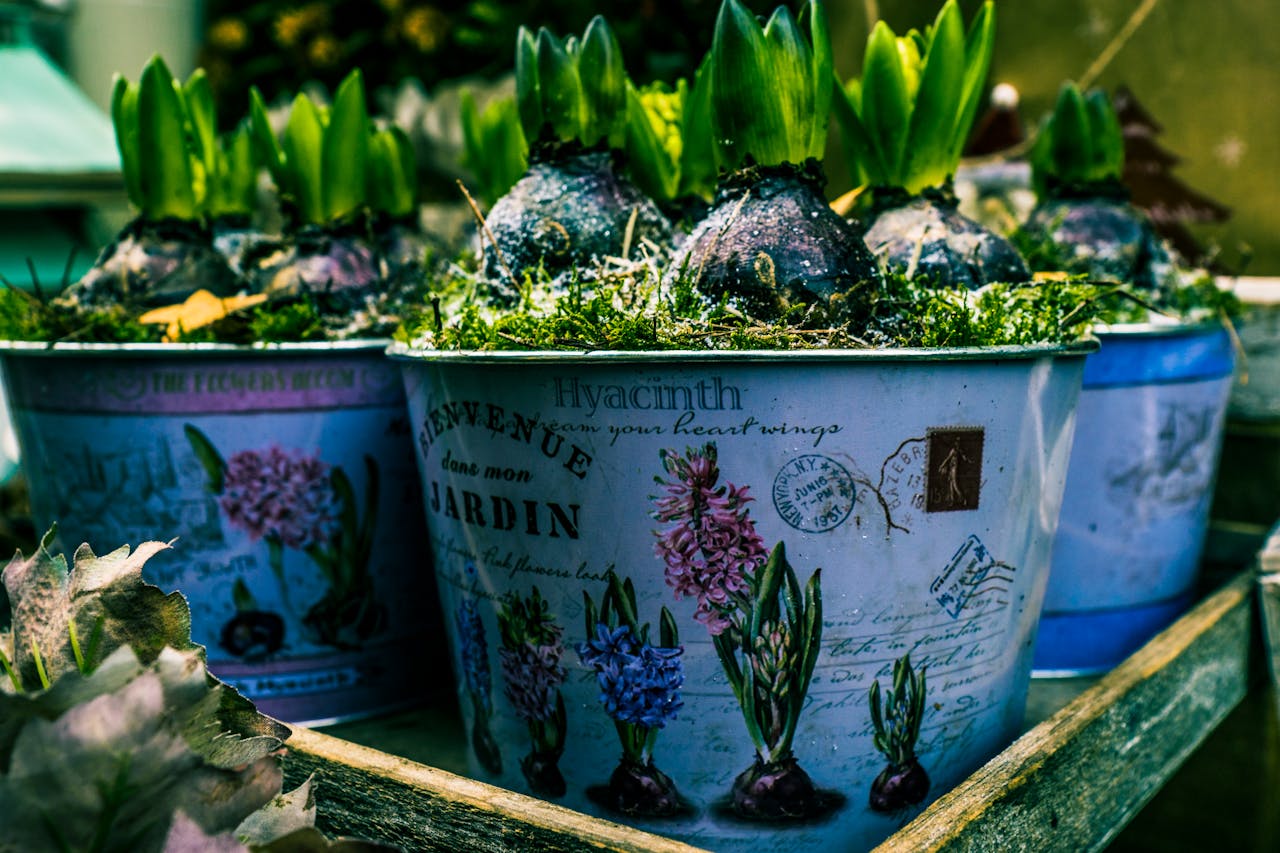
Single pots spaced evenly read as objects. Grouped containers begin to read as landscape. Clustering pots in odd numbers creates visual rhythm and breaks the retail display effect that rows often create.
Varying heights within the cluster matters just as much as plant choice. Taller plants anchor the group, mid-height plants fill visual gaps, and low growers soften edges. The goal is overlap, not separation, so the group feels planted rather than placed.
Repeat a Limited Color Palette
Too many pot colors compete for attention, pulling the eye away from the plants. Repeating one or two container finishes creates visual calm and allows foliage and form to take center stage.
This repetition tricks the brain into reading multiple pots as one larger composition. Even inexpensive containers feel intentional when color is consistent. The garden starts to feel designed rather than collected over time.
Vary Plant Heights Aggressively
When all plants sit at the same height, the space feels flat. Strong height variation creates depth, even in tight quarters. Tall grasses, small trees, or upright shrubs provide structure that ground-level plants cannot.
Lower plants then act as undergrowth rather than isolated specimens. This vertical layering mimics natural planting patterns, helping containers feel like a landscape compressed into a smaller footprint.
Let Plants Touch and Overlap
Space between pots creates visual breaks that weaken the garden effect. Allowing leaves to touch and spill into neighboring containers blurs boundaries and builds continuity.
Overlapping foliage hides container edges and shifts focus to the plants themselves. The moment individual pots disappear from view, the space starts reading as a garden instead of a collection of vessels.
Use the Ground Plane Intentionally
Raising every pot off the ground creates clutter. Letting some containers sit directly on the surface helps anchor the space and establishes visual weight.
Grounded pots act as base layers, while raised containers become accents. This mix prevents the floating effect that often makes small spaces feel temporary or staged rather than settled.
Create a Clear Focal Point
Gardens need a place for the eye to land. In small spaces, this could be a larger container, a sculptural plant, or a grouped vignette placed intentionally.
Once a focal point exists, surrounding pots support it instead of competing. The space gains hierarchy, which makes even a small number of containers feel organized and complete.
Use Backgrounds to Your Advantage
Walls, railings, and fences are not obstacles. They are backdrops. Placing containers tight to vertical surfaces reduces visual clutter and makes plants stand out more clearly.
A defined background helps plants read as a unified scene. It also frees up floor space, making the garden feel deeper and more intentional.
Limit the Number of Plant Types
Too much variety fragments a small space. Repeating the same plant in multiple containers creates flow and visual cohesion.
Variation can come from size and placement rather than species. This restraint helps the garden feel calm and deliberate, allowing the overall composition to matter more than individual novelty.
A container garden feels real when it behaves like one. When plants overlap, heights vary, and repetition replaces randomness, the space settles. It stops looking like pots waiting for a plan and starts feeling like a garden that belongs exactly where it is.