

9 Simple Soil Checks That Tell You What to Do Next
Soil rarely causes confusion. People do, mostly by acting before listening. When plants stall, wilt, or discolor, the answer is usually already present below the surface. These soil checks are not lab tests or seasonal rituals. They are quick, physical observations that point clearly toward action or restraint. Each one narrows the next step so effort stays targeted instead of scattered. When soil is read correctly, gardens stop feeling unpredictable and start responding with consistency.
Finger-Depth Moisture Check
Pushing a finger two to three inches into the soil gives a more honest signal than the surface ever will. Dry soil at that depth means roots are running out of access. Moist soil means they are still supported, even if the top looks dusty.
This check prevents reflex watering based on appearance or heat alone. It replaces guesswork with evidence. Over time, it also trains awareness of how long moisture actually lasts in that specific soil, which leads to better timing and fewer corrections.
Soil Texture When Gently Squeezed
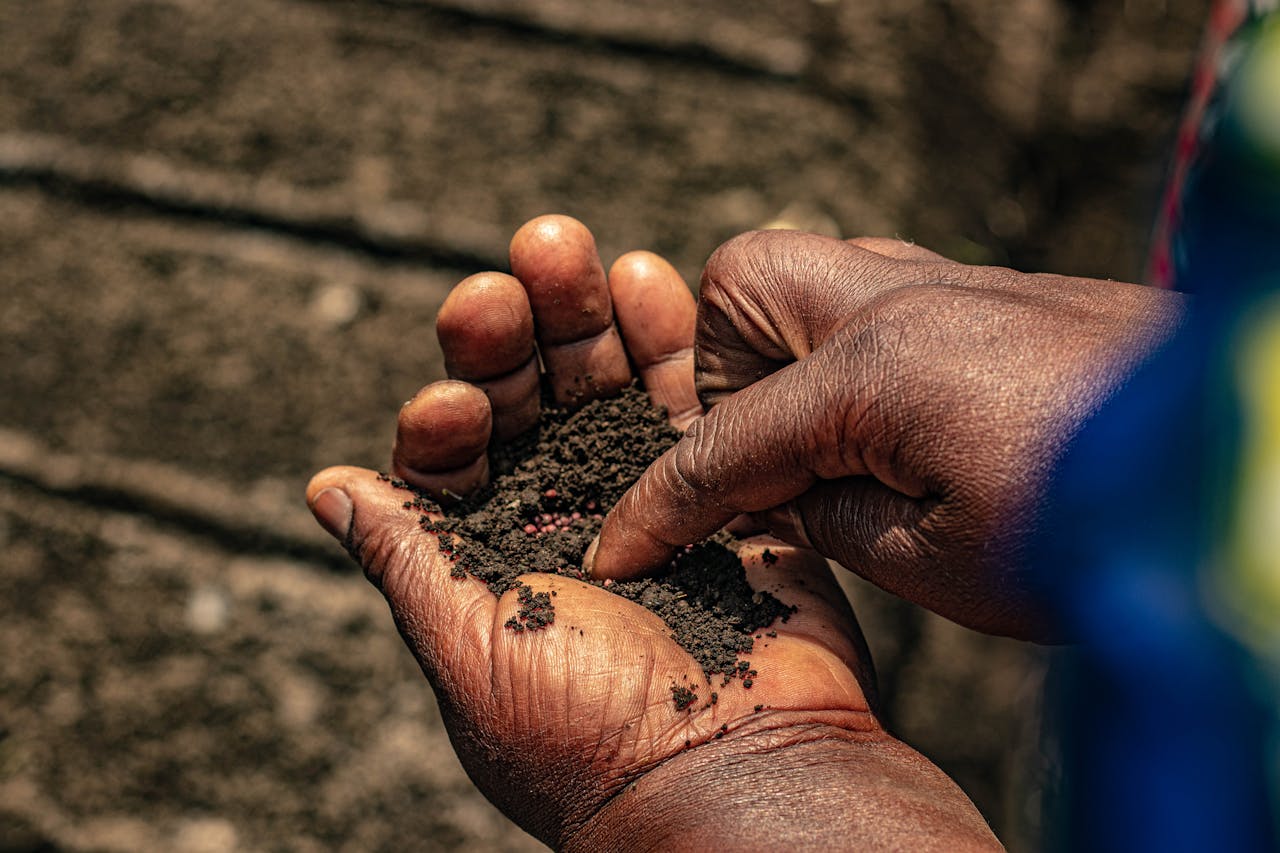
Scooping a small handful of soil and squeezing it lightly reveals structure. If it falls apart instantly, moisture is lacking. If it stays in a tight lump, drainage or airflow is limited.
Soil that briefly holds shape, then crumbles, shows balance. This simple test explains slow growth that watering alone cannot fix. Texture reflects how roots experience the soil, not how tidy the surface looks.
Smell After Light Disturbance
Healthy soil smells mild and earthy when disturbed. A sour, stagnant, or sharp smell signals limited oxygen and excess moisture below the surface.
This check often catches problems before leaves show stress. Roots struggle silently in airless soil. Smell offers early clarity, pointing toward loosening, spacing, or drainage adjustment instead of adding more water or nutrients.
Surface Crusting Check
Running a hand lightly across the soil surface reveals whether a crust has formed. Hard, sealed soil blocks water penetration and restricts gas exchange, even after rainfall or irrigation.
Crusting explains runoff and uneven moisture that frustrate gardeners. Breaking it gently or adjusting watering style restores function. The soil may look fine from above, but this check reveals whether it is actually usable to roots.
Root Resistance Test
Pressing a stick, trowel, or finger into the soil shows how easily roots can expand. Resistance near the surface indicates compaction, even in beds that appear loose.
This check explains stalled plants that receive enough water and light. Roots cannot grow where soil refuses to open. Loosening structure often solves problems wrongly blamed on feeding or plant choice.
Drainage Timing Observation
After watering or rain, note how long moisture remains visible or how long soil stays saturated beneath the surface. Water lingering for hours signals drainage limitations.
This check helps separate watering issues from soil issues. Adjusting soil structure or plant placement becomes the priority. Without this awareness, repeated watering changes only mask the real constraint.
Presence of Soil Life
Turning over a small section of soil reveals activity. Worms, insects, and crumb-like aggregates signal a functioning system that cycles nutrients naturally.
A quiet, compacted section without life suggests exhaustion or disturbance. This does not demand immediate action, but it redirects effort toward organic matter and patience rather than quick fixes.
Mulch Contact Around Stems
Checking how mulch sits around plant bases reveals whether crowns can breathe. Mulch piled tightly against stems traps moisture where plants are most vulnerable.
Pulling mulch back slightly often improves vigor within weeks. This small check prevents slow decline blamed on watering or weather. Airflow at the base matters more than mulch depth alone.
Soil Color Consistency
Soil color offers long-term insight. Pale, gray, or chalky tones often signal low organic content or poor structure. Rich brown soil usually reflects better biological activity.
Color guides priorities. It helps decide whether to feed, rest, amend, or simply wait. Instead of reacting to symptoms, this check keeps focus on the foundation that determines everything else.
Soil tells the truth quietly. When these checks guide decisions, effort becomes lighter and results become steadier. The garden stops asking for constant intervention and starts responding to thoughtful timing instead.