9 Garden Tasks That Feel Productive but Don’t Improve Growth Over Time
Gardening often rewards effort with the feeling of progress, even when that effort does little to support long-term growth. Some tasks look productive, keep hands busy, and create visible change, yet quietly work against soil health, root development, and plant resilience. These habits are easy to fall into because they feel responsible and immediate. Over time, though, they trade steady improvement for constant maintenance. Understanding which actions help and which simply fill time makes it easier to focus energy where it actually supports healthier, more durable plants.
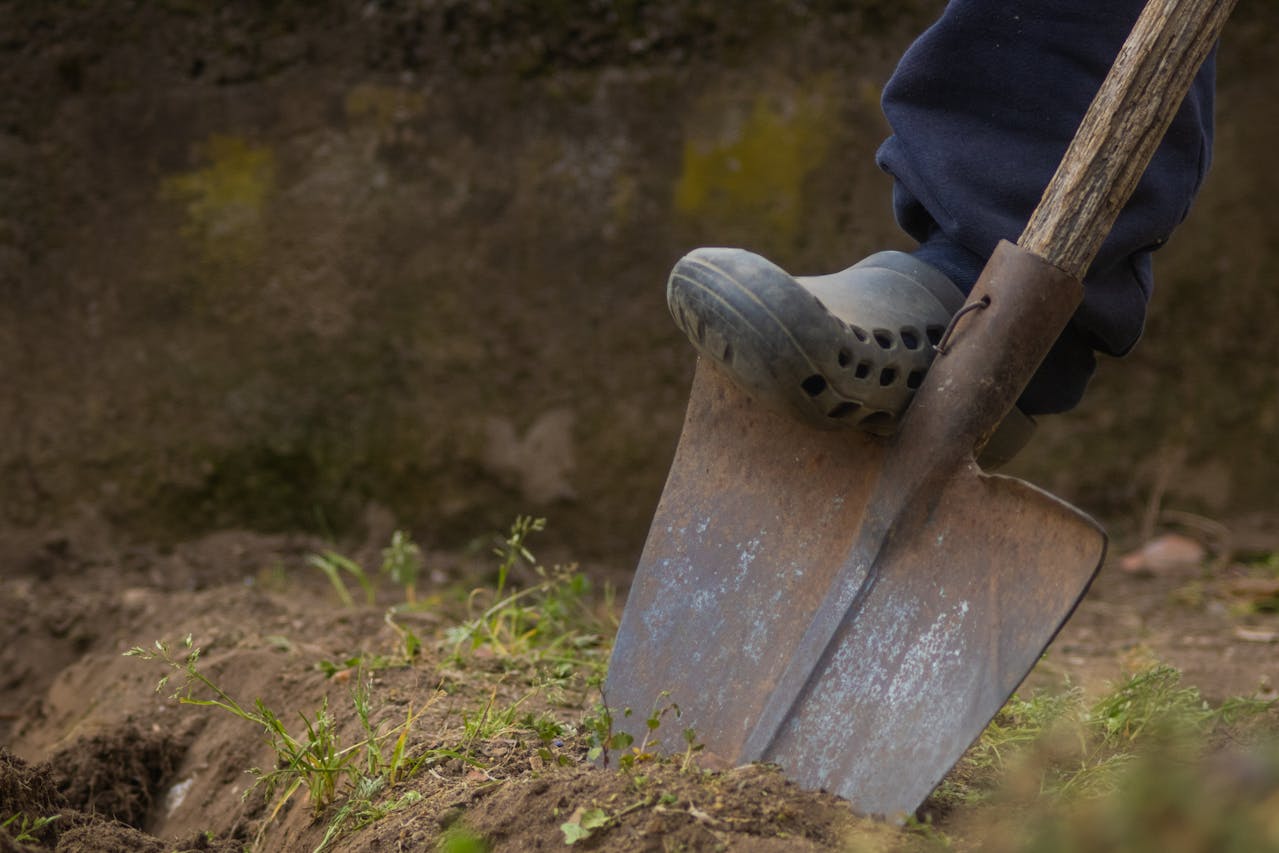
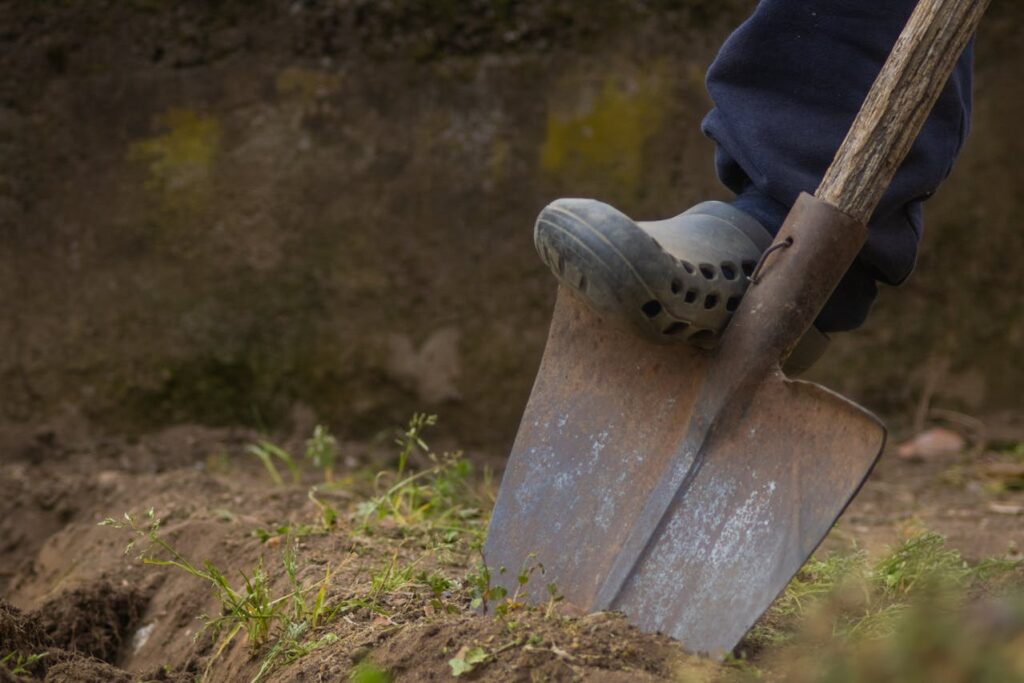
Constantly Turning the Soil
Freshly turned soil looks like progress. It smells good, feels loose, and gives the impression of renewal. In reality, frequent digging disrupts soil structure, breaks fungal networks, and exposes microbes to drying air and sunlight.
Over time, soil becomes less stable and more compacted below the surface. Plants struggle to access nutrients that were once naturally cycled. Light cultivation has its place, but constant turning often creates more work without delivering healthier roots or stronger growth.
Watering a Little Every Day
Daily watering feels responsible, especially in warm weather. The problem is that shallow watering trains roots to stay near the surface, where moisture disappears quickly.
Plants become more dependent and less resilient. Deep, less frequent watering encourages roots to grow downward, where moisture lasts longer. What feels like attentive care can quietly weaken plants over time, even though the garden looks busy and well tended.
Pruning Too Often
Regular pruning gives the impression of control and refinement. Snipping here and there keeps plants looking tidy, but excessive pruning interrupts natural growth cycles.
Plants redirect energy toward replacing lost growth instead of strengthening roots, flowering, or fruiting. Strategic pruning matters, but constant trimming often slows progress. The garden looks managed, yet growth plateaus instead of improving season after season.
Rearranging Plants Repeatedly
Moving plants feels like problem solving. If something looks off, relocation seems logical. Each move, however, forces the plant to restart its root establishment process.
Repeated disturbance delays maturity and stresses the plant, even when handled carefully. Sometimes poor growth is blamed on location when time is the real missing factor. Stability often does more for long-term success than constant adjustment.
Over-Mulching
Mulch is widely praised, which makes adding more feel beneficial. Too much mulch creates a barrier that traps moisture against stems and limits oxygen exchange at the soil surface.
Roots suffer quietly, and pests find ideal hiding conditions. Mulch should protect soil, not smother it. When applied too thickly, this well-intended task adds effort without supporting healthier growth.
Fertilizing on a Fixed Schedule
Following a strict fertilizer calendar feels organized and disciplined. Plants, however, do not grow on a timetable. Feeding when plants do not need nutrients leads to excess foliage, weak structure, or nutrient imbalance.
Soil health matters more than frequency. Observing plant response and soil condition delivers better results than routine application. Scheduled feeding often benefits the gardener’s sense of order more than the plants themselves.
Obsessive Weeding
Pulling weeds offers immediate visual reward. Beds look cleaner, and progress is obvious. Constant weeding, especially in bare soil, exposes ground to erosion and drying.
Some low-level plant competition actually helps protect soil structure. The goal is balance, not sterility. Endless weeding keeps hands busy but does little to improve long-term soil health or plant resilience.
Polishing Leaves and Cleaning Beds
Wiping leaves and clearing every fallen bit feels meticulous and caring. In nature, organic debris plays a role. Fallen leaves protect soil, regulate moisture, and feed microorganisms.
Removing everything leaves soil exposed and dependent on external inputs. A garden does not need to look spotless to grow well. Tidiness often benefits appearance more than plant performance.
Chasing Every New Garden Trend
Trying new tools, products, or methods feels proactive. Constantly switching approaches prevents consistent observation. Plants respond slowly, and improvement takes time.
Without continuity, it becomes hard to understand what actually works. Growth improves through steady habits, not constant experimentation. The busiest gardens are not always the healthiest, even when effort is clearly visible.