
5 Simple Blank Space Moves That Make Any Garden Feel More Peaceful
Busy gardens often feel productive, but calm comes from what is left open. Blank space gives the eye somewhere to rest and helps plants read as intentional rather than crowded. This is not about removing personality or stripping a garden bare. It is about shaping space so growth feels balanced and breathable. Small adjustments to emptiness can quiet visual noise, slow movement, and make even modest gardens feel settled. These simple moves use restraint as a design tool, creating peace without sacrificing richness.
Let One Area Stay Intentionally Open
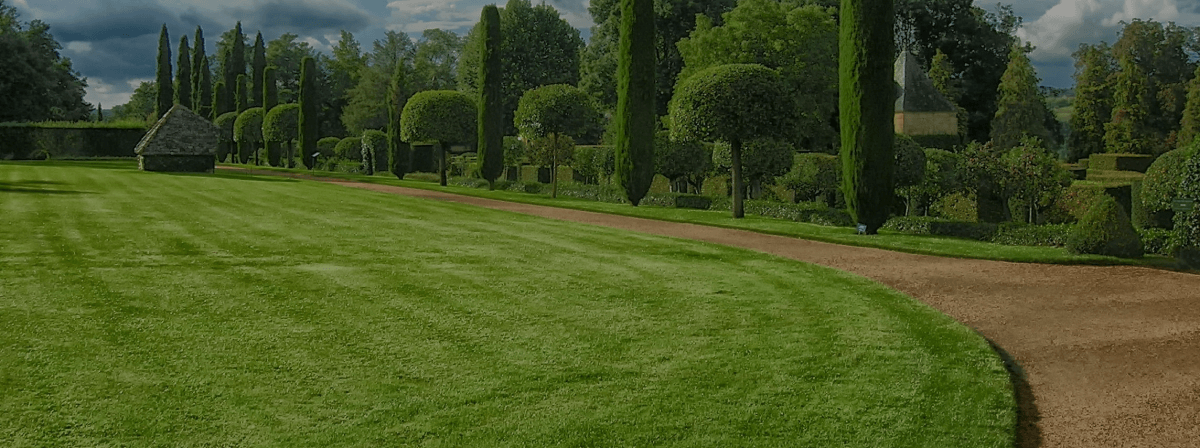
Leaving one clear patch of ground, gravel, or lawn creates instant calm. When every corner is filled, the eye keeps searching. An open zone stops that motion and anchors the space.
This area does not need to be large. Even a few uninterrupted feet give surrounding plants more presence. The contrast makes textures feel richer and the garden easier to read, without adding a single new element.
Create Distance Between Major Plant Groups
When plant groupings sit too close together, they blur into one mass. Adding space between them allows each cluster to exist on its own terms.
This separation highlights form and shape instead of density. Plants appear healthier and more deliberate. The garden feels paced rather than crowded, even if the total number of plants stays exactly the same.
Clear the Ground Around Focal Plants
Focal plants lose impact when surrounded by clutter. Clearing space at their base allows the eye to land and pause.
Bare soil, mulch, or stone around a key plant frames it quietly. The plant feels important without needing size or drama. This move adds calm by giving attention a clear destination instead of scattering it everywhere.
Simplify Edges and Transitions
Busy borders and jagged edges keep the eye moving. Smoother transitions between beds, paths, and open areas create visual flow.
Clean edges do not mean rigid lines. Gentle curves or consistent spacing allow space to breathe. The garden feels calmer because movement through it becomes predictable and unforced.
Limit Objects in Rest Areas
Benches, chairs, and sitting zones work best when they are not surrounded by things. Too many pots, tools, or decor nearby create tension.
Reducing objects around seating gives the body and mind room to settle. The garden stops performing and starts supporting rest. Blank space here does more for comfort than any added feature.
Peace in a garden rarely comes from adding more. It comes from knowing where to stop. When space is allowed to exist without purpose, everything around it feels more intentional. The garden slows down, and so does the person standing inside it.