
A garden is more than a plot of land for growing vegetables or flowers; it is a three-dimensional canvas where the organic chaos of nature meets the intentionality of human design. When we approach landscaping as an art form, we stop merely “planting” and start “composing.” By applying the principles of fine art—texture, color theory, and perspective—you can transform any outdoor space into a living masterpiece.
1. The Architecture of Greenery: Structure and Form
In art, the “underdrawing” provides the structure for the paint. In a garden, this role is filled by hardscaping and structural planting.
-
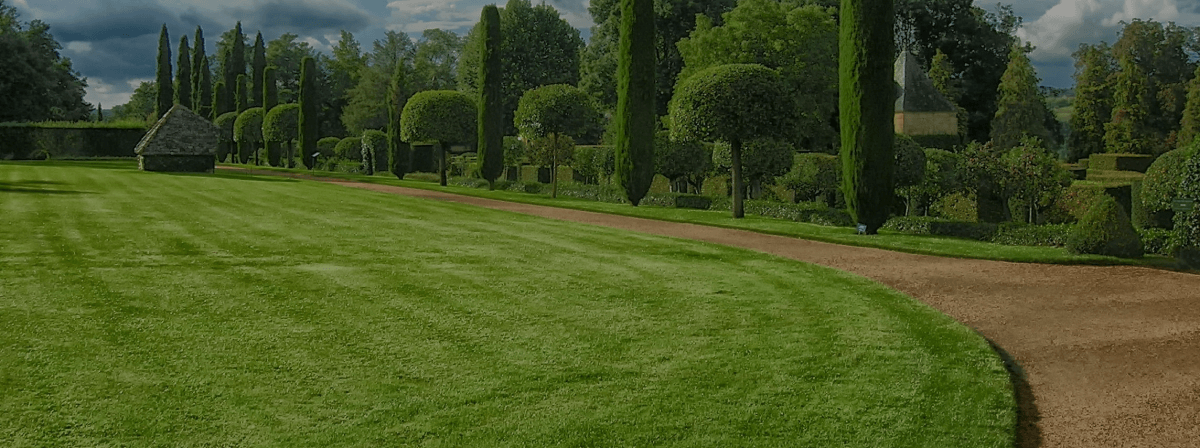
Living Sculptures: Use topiary or specimen trees with unique growth patterns (like a Weeping Blue Atlas Cedar) to act as natural statues.
-
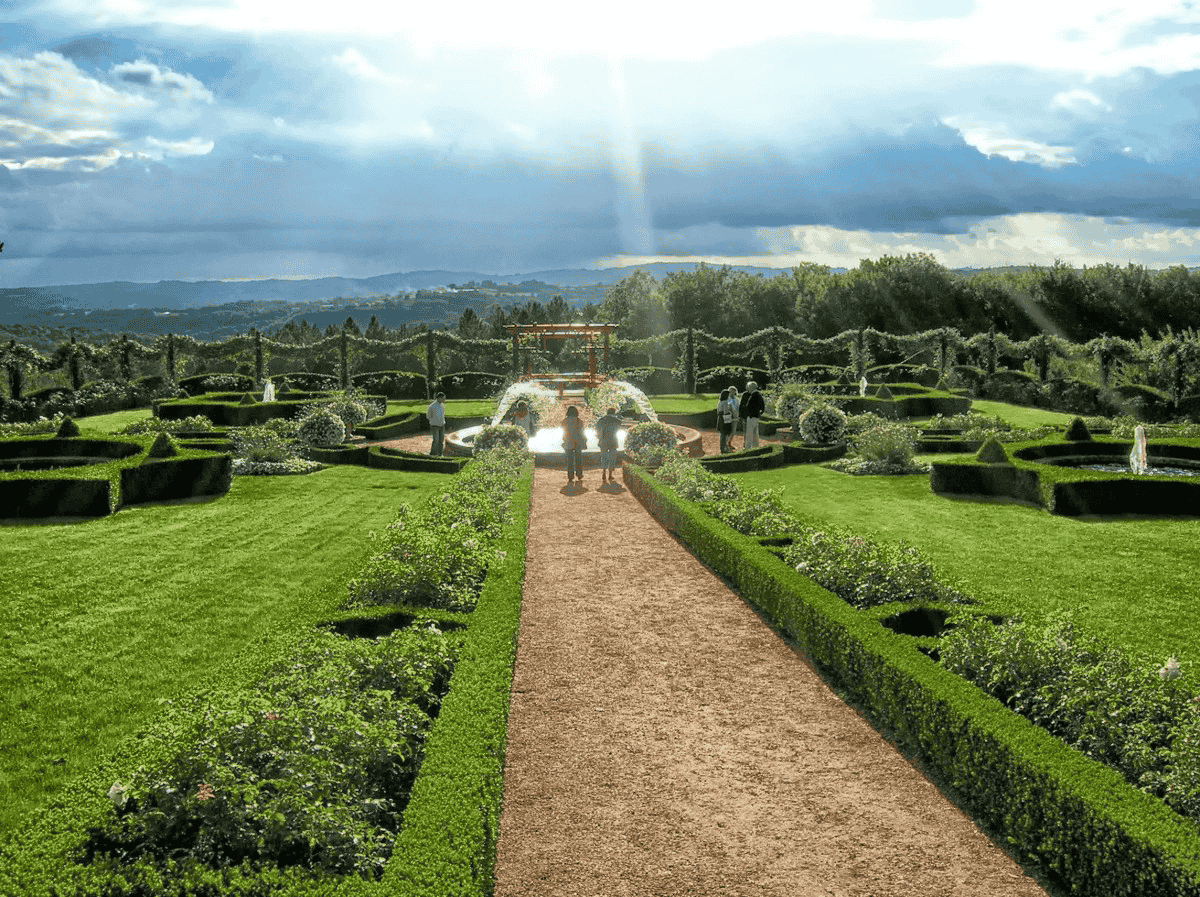
Geometric Contrast: Create “tension” by placing soft, billowing perennials (like Lavender or Catmint) against sharp, clean architectural lines like steel edging or rectangular stone pavers.
-
Framing the View: Use “moon gates” or tall, narrow evergreens to frame specific vistas, turning a simple backyard view into a curated landscape painting.
2. Masterful Color Theory: Beyond the Rainbow
Professional artists don’t use every color at once; they choose a palette. To make your garden feel like art, apply these color strategies:
-
Monochromatic Elegance: Use different shades of a single color. An “All-White Garden” (inspired by Sissinghurst) uses silver foliage, cream blooms, and white petals to create a high-end, ethereal feel.
-
Complementary Vibrancy: Place colors from opposite sides of the color wheel together. The deep purple of Salvia next to the bright gold of Coreopsis creates a visual “pop” that mimics the energy of an Impressionist painting.
-
The Power of Texture: Remember that “green” isn’t just one color. Contrast the glossy, dark leaves of a Camellia with the matte, fuzzy silver of Lamb’s Ear to create depth without needing flowers.
3. Light and Shadow: The Garden’s Performance
Art is static, but a garden is a “performance” that changes with the sun.
-
Golden Hour Planning: Position translucent plants, such as Ornamental Grasses or Japanese Maples, where the setting sun can back-light them. This creates a “stained glass” effect in the late afternoon.
-
Chiaroscuro Lighting: At night, use focused uplighting on a single textured trunk or a stone wall to create dramatic shadows, much like the high-contrast lighting found in Baroque art.
4. The Art of the Narrative: Creating a Journey
Every great piece of art tells a story. A savvy gardener uses paths and “rooms” to lead the viewer through that story.
-
The Reveal: Don’t show the whole garden at once. Use a curved path or a tall hedge to hide a “secret” seating area or a fountain, creating a sense of mystery and discovery.
-
Soundscapes: Incorporate the “music” of nature. A minimalist stone water basin provides a rhythmic, percussive sound that adds a sensory layer to the visual art.
-
Sustainable Artistry: Modern garden art is increasingly about “Rewilding.” Using native wildflowers and pollinator-friendly “meadow” patches shows the art of ecological balance—where the beauty lies in the life the garden supports.