

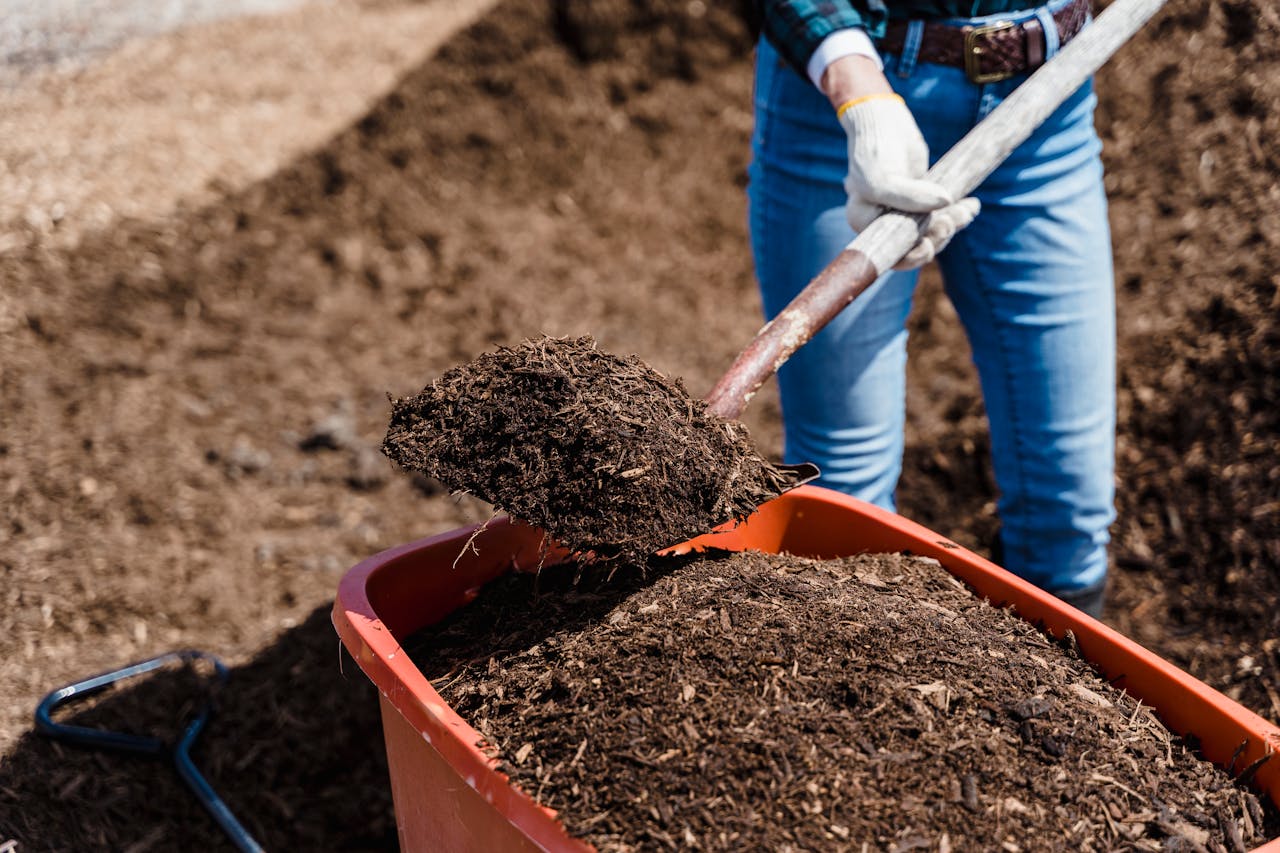
10 Compost Ingredients That Build Better Soil Over Time
Compost works best when it is treated as a long-term soil builder, not a fast fix. The materials added to a pile determine whether the result supports steady root growth, healthy microbial activity, and resilient structure over time. Some ingredients break down slowly, others move quickly, but together they create balance. When compost is built with intention and variety, soil improves quietly season after season. These ingredients focus on depth and durability, helping soil hold moisture, cycle nutrients, and stay workable without constant correction.
Kitchen Vegetable Scraps
Vegetable peels, trimmings, and cores are one of the most effective foundations for long-term compost. They break down steadily, feeding microbes without overwhelming the pile. This slow release matters because soil improves through biology, not bursts of nutrients. Scraps add moisture and nitrogen while encouraging diverse microbial activity that builds stable structure over time.
Chopping scraps speeds decomposition and prevents compacted pockets. Used consistently, they help compost mature into material that improves soil texture, nutrient cycling, and root access instead of acting like a short-lived fertilizer.
Dry Leaves
Dry leaves are a quiet powerhouse. As a carbon source, they balance wet materials and keep compost breathable. Over time, decomposed leaves turn into humus that improves soil’s ability to hold water while still draining well.
Shredding leaves prevents matting and speeds breakdown. Their benefit is subtle but lasting. Soil amended with leaf-rich compost resists compaction, supports root growth, and maintains structure season after season without constant input.
Grass Clippings
Grass clippings provide nitrogen and help heat a compost pile when used correctly. Added in thin layers, they energize microbial activity without creating odor or dense, airless zones.
Mixed with dry material, clippings break down into nutrient-rich compost that feeds soil gently. Their real value shows later, improving fertility while supporting microbial balance instead of pushing excessive top growth.
Coffee Grounds
Used coffee grounds add nitrogen and fine organic matter to compost. Once brewed, they are close to neutral in pH and safe for most soils when composted properly.
Their small particle size helps fill gaps between larger materials, improving compost texture. Over time, they contribute to crumbly soil structure and support earthworm activity, which further improves aeration and nutrient availability.
Crushed Eggshells
Eggshells break down slowly, which is exactly why they help long-term soil health. They add calcium gradually, supporting cell strength and root development without sudden shifts.
Crushing shells speeds integration and prevents sharp fragments. While not a quick fix, their steady contribution improves soil balance over time, especially in beds that are replanted regularly.
Shredded Paper and Cardboard
Uncoated paper and cardboard provide carbon and improve airflow in compost piles. Shredding prevents clumping and allows microbes to work evenly.
Once broken down, these materials add bulk organic matter that improves soil structure. Their contribution is quiet but important, helping soil retain moisture while staying loose enough for roots to expand.
Spent Plant Material
Dead annuals, trimmed perennials, and non-diseased plant remains return nutrients to the soil system they came from. Composting them closes the loop.
Chopping material helps it decompose evenly. Over time, this practice builds soil that is better adapted to the plants grown in it, supporting healthier growth with fewer adjustments.
Manure From Herbivores
Well-aged manure from animals like cows, horses, or rabbits adds nutrients and organic matter in a balanced form. Composting first prevents burn and stabilizes nutrients.
Used regularly, manure-based compost improves soil fertility and microbial diversity. Its value lies in consistency, building depth and resilience rather than acting as a quick nutrient spike.
Wood Chips and Fine Bark
Small wood chips and bark add long-lasting carbon. They decompose slowly, feeding fungi that play a major role in soil structure and nutrient exchange.
Over time, these materials help create soil that drains well yet holds moisture. Their presence supports long-term balance rather than fast results, making soil easier to manage year after year.
Garden Soil or Finished Compost
Adding a small amount of finished compost or garden soil introduces beneficial microbes that jump-start decomposition. It acts as an inoculant rather than a bulk ingredient.
This accelerates breakdown and improves consistency. Over time, it ensures compost matures evenly, producing amendments that build soil steadily instead of unpredictably.
Good compost is not about speed. It is about layering materials that break down at different rates, feeding soil life gradually. When compost is built with patience, soil improves quietly and reliably, making every season easier than the last.