

9 Low-Effort Weekly Routines That Keep Gardens on Track
Gardens don’t unravel because of neglect. They unravel because small signals get ignored until everything feels urgent at once. Weekly routines work when they are light, repeatable, and focused on awareness rather than fixing. These habits are not about staying busy or maintaining perfection. They are about staying oriented. When attention is steady and effort is selective, gardens correct themselves before problems stack up. These routines take minutes, not hours, but they keep growth predictable, balanced, and far easier to manage over time.
Walk the Garden With No Plan to Intervene
A slow walk without tools is one of the most effective weekly habits. When nothing is being carried, the mind shifts from fixing to noticing. Leaning stems, uneven spacing, stressed leaves, or dry pockets stand out clearly.
This routine builds familiarity. Changes become easier to spot because the baseline is known. Most problems announce themselves early. This walk ensures they are seen before they demand real work.
Check Soil Moisture Below the Surface
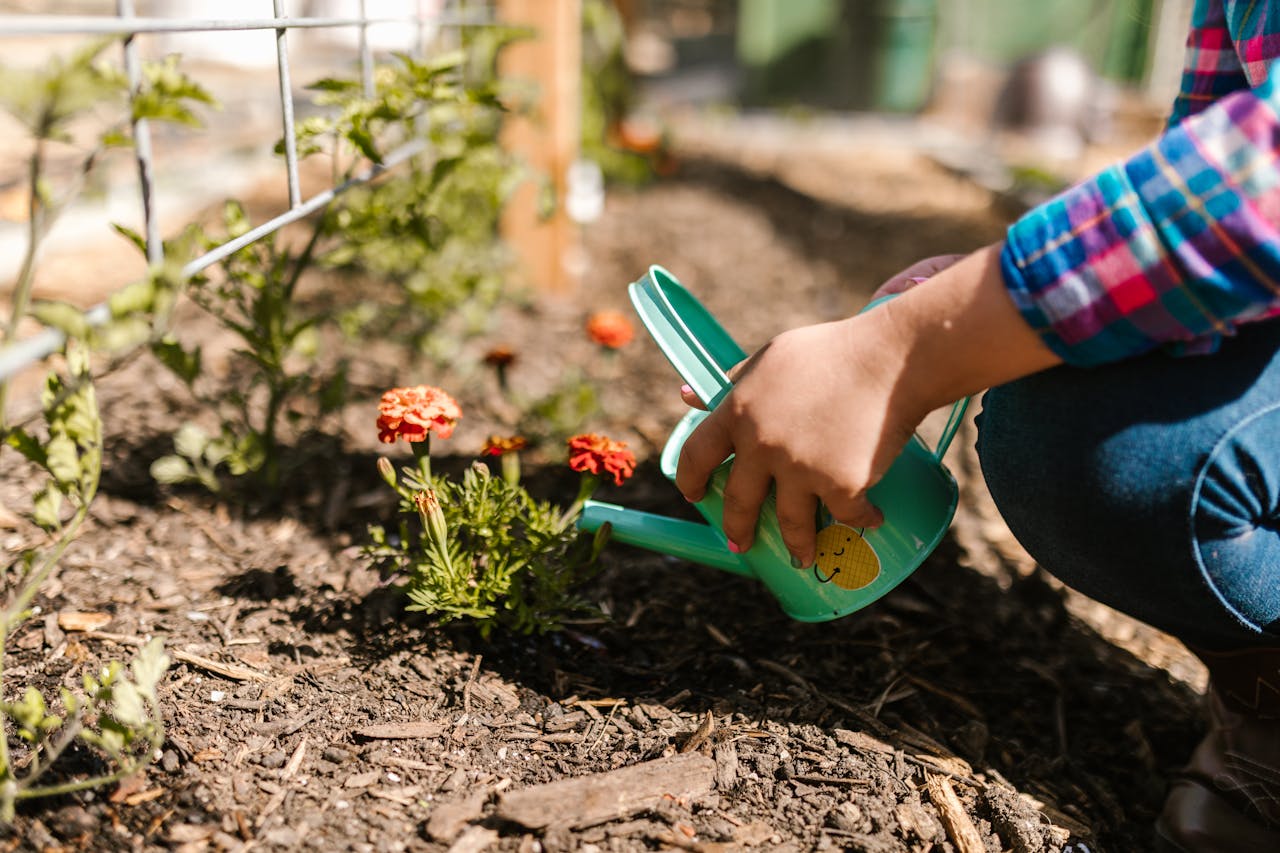
Surface soil dries fast and lies often. Pressing a finger a few inches into the soil shows what roots are actually experiencing. This single check prevents both overwatering and neglect.
Over time, patterns emerge. Some areas dry faster, others hold moisture longer. Watering becomes intentional instead of reactive. Plants respond by developing stronger root systems, reducing stress swings and emergency interventions.
Remove Only the Most Aggressive Weeds
Weekly weeding does not require clearing everything. Pulling the largest or fastest-spreading weeds keeps pressure low without disturbing soil structure.
This routine prevents weeds from seeding and dominating. Soil stays covered, roots stay undisturbed, and the garden never reaches the overwhelming stage that turns maintenance into a crisis.
Adjust One Plant That Looks Off
Each week, one plant usually signals discomfort. It may lean, crowd a neighbor, or grow unevenly. Addressing one small adjustment prevents bigger corrections later.
Early changes allow plants to settle quickly. Roots recover faster, spacing stays intentional, and growth remains balanced. This habit replaces large relocations with quiet refinements.
Trim Only What Interrupts Airflow or Access
Instead of pruning for shape, remove only stems that block paths, crowd neighbors, or restrict airflow. This light approach keeps plants functional without slowing growth.
Selective trimming prevents tangling and stress. Plants stay full but organized. The garden keeps its structure without requiring heavy seasonal pruning sessions.
Refresh One Weak Mulch Area
Mulch thins unevenly due to wind, rain, and watering. Topping off one exposed area each week keeps coverage consistent.
This protects soil moisture, moderates temperature, and prevents erosion. Spread over time, the effort stays small while the benefit stays constant across the season.
Scan for Subtle Stress Signals
Yellowing leaves, uneven color, or slowed growth often appear before major issues. A weekly scan catches these signs early.
Early response is simpler and gentler. This routine shifts care from rescue to prevention, reducing effort while improving long-term plant stability.
Realign One Edge or Boundary
Edges blur quietly. Beds creep, paths narrow, and definition softens. Straightening one small section per week restores clarity without major labor.
Clean edges make the entire garden feel intentional, even when growth is full. This visual reset keeps the space readable and calm.
Choose One Day to Do Nothing
Intentional rest is part of a healthy routine. Leaving the garden alone one day each week prevents overmanagement and builds trust in the system.
Plants strengthen when care has rhythm. This pause reveals what is working on its own and reduces the urge to overcorrect. Sometimes the most productive habit is restraint.
Low-effort routines succeed because they spread attention evenly instead of concentrating it all at once. When care is steady and selective, gardens stay on track naturally. Problems shrink, confidence grows, and weekends stay enjoyable instead of corrective.